Why LiDAR 4.0 is Critical for Multi-Floor Residences
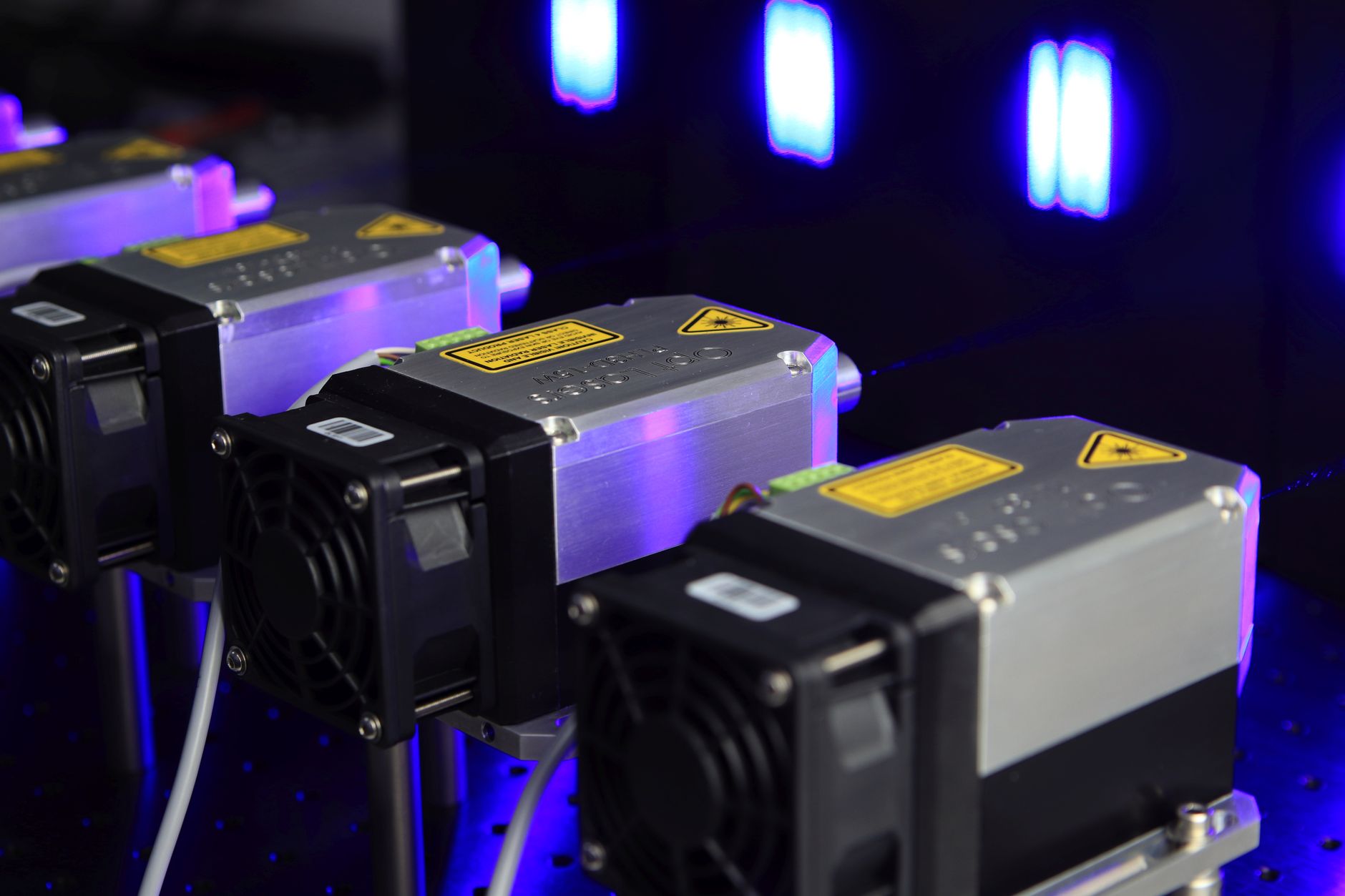
Modern homes present major obstacles for standard cleaning devices. From complex stairs and multi-layered rugs to furniture shifts, robots must adapt instantly to their physical surroundings. Standard optical sensors often fail in dark spaces, while raw mechanical sensors rely on physical impacts to calculate boundaries.
The Principle of Active Laser Mapping
LiDAR 4.0 works by emitting non-visible light beams at high speeds. By timing the reflection, the robot calculates precise distances. VELOX models sample up to 120,000 spatial coordinates every second. This dataset is compiled into a local spatial matrix, ensuring the unit detects micro obstacles like thin chair legs and loose charging cords.
"By transforming raw light reflections into dynamic spatial vectors, we completely eliminate room-bumping." - VELOX Engineering Labs
Dynamic Level Determination
With multi-floor support, the system registers spatial layout blueprints locally. When placed on a separate level, Velox senses unique wall configurations and swaps active maps immediately. This prevents accidental tumble-falls down stairs and ensures customized floor boundaries are maintained safely.
Experience the S9 Laser System Today
Place your order for the next generation of home sanitization devices. Clinical mapping meets powerful physical suction.
Get Custom Quote